The Bristol Stool Chart: all 7 poo types explained
The Bristol Stool Chart (or Bristol Stool Form Scale) is how doctors describe poo. It sorts stools into seven types by shape and texture — from hard lumps to liquid. Types 3 and 4 are the healthy target; Types 1–2 point to constipation and Types 6–7 to diarrhoea.
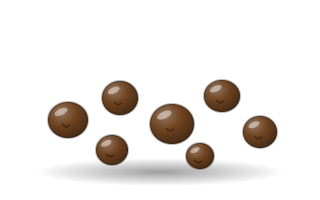
Type1
Severe constipation
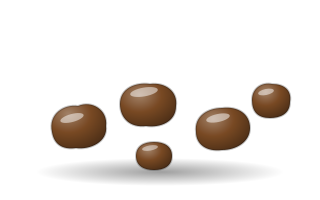
Type 1: Separate hard lumps, like nuts (hard to pass)
Stool has spent a long time in the colon and lost water. Increase fluids (at least 1.5 litres a day), add fruit and vegetables gradually, and try a footstool to raise your knees.
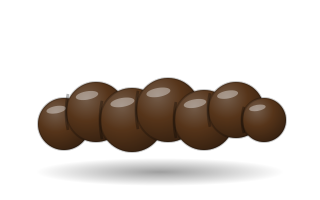
Type2
Mild constipation
Type 2: Sausage-shaped but lumpy
A little slow. Regular meals, fluids, gentle activity and not ignoring the urge usually help.
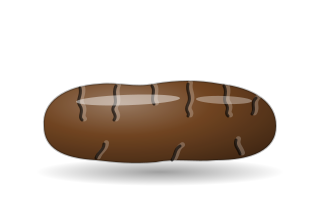
Type3
Normal
Type 3: Like a sausage but with cracks on its surface
A healthy, well-formed stool. Keep doing what you are doing.
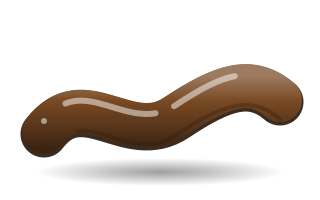
Type4
The Golden Standard
Type 4: Like a sausage or snake, smooth and soft
The ideal stool — soft, smooth and easy to pass. Royal approval granted. 👑
Type5
Lacking fibre
Type 5: Soft blobs with clear-cut edges (passed easily)
On the soft side. Often a sign you could use a little more fibre from fruit, veg and wholegrains.
Type6
Mild diarrhoea
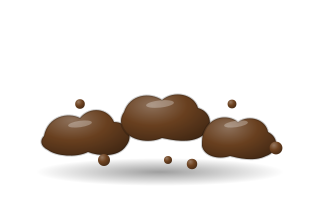
Type 6: Fluffy pieces with ragged edges, a mushy stool
Moving through quickly. Sip fluids, note any triggers (caffeine, alcohol, spicy food) and see how the next few go.
Type7
Diarrhoea
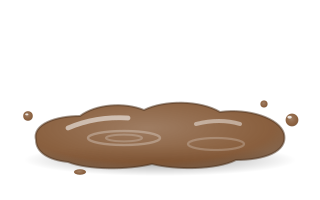
Type 7: Watery, no solid pieces. Entirely liquid
Watery stool loses fluid and salts fast. Drink plenty, consider oral rehydration solution, and seek advice if it lasts more than a few days or you see blood.
What does a healthy poo look like?
A healthy stool is usually Type 3 or 4: sausage-shaped, soft, easy to pass without straining, and medium to dark brown. Everyone is a little different, so the most useful thing is to learn your normal — and notice when it changes. Check what different colours mean in our poo colour chart.
Why your stool type changes
Stool type mostly reflects transit time — how long waste spends in the colon. The longer it stays, the more water is absorbed and the harder it gets (Types 1–2). Moving too fast leaves it soft or watery (Types 6–7). Fluids, fibre, exercise, stress, illness, medicines and your menstrual cycle can all shift where you land.
How to move towards Type 3–4
Harder stools: drink at least 1.5 litres a day, add fruit and vegetables gradually, keep active, and use a footstool on the toilet. See constipation relief.
Looser stools: stay hydrated, ease off caffeine, alcohol and spicy food, and watch for triggers. See diarrhoea advice.
Type 5: often a sign you could use a little more fibre — read our fibre and water guide.
When to talk to a doctor
See your GP if your stool type changes for several weeks without an obvious reason, or if you notice blood, black tar-like stool, unexplained weight loss or ongoing tummy pain. Our red-flag guide explains what each sign can mean.
Bristol Stool Chart FAQs
What is the healthiest Bristol stool type?
Types 3 and 4 are considered ideal. Type 4 — like a sausage or snake, smooth and soft — is often called the gold standard.
What do Bristol Types 1 and 2 mean?
Types 1 (separate hard lumps) and 2 (lumpy sausage) usually indicate constipation: stool has stayed in the bowel too long and lost water.
What do Bristol Types 6 and 7 mean?
Types 6 (mushy, ragged pieces) and 7 (entirely liquid) indicate diarrhoea. Keep hydrated and see a GP if it lasts more than 7 days or you see blood.
Who created the Bristol Stool Chart?
It was developed at the Bristol Royal Infirmary in the UK in the 1990s and is now used by doctors worldwide to describe stool form.